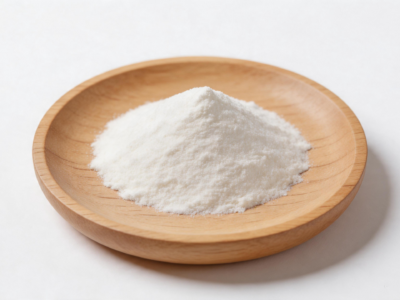
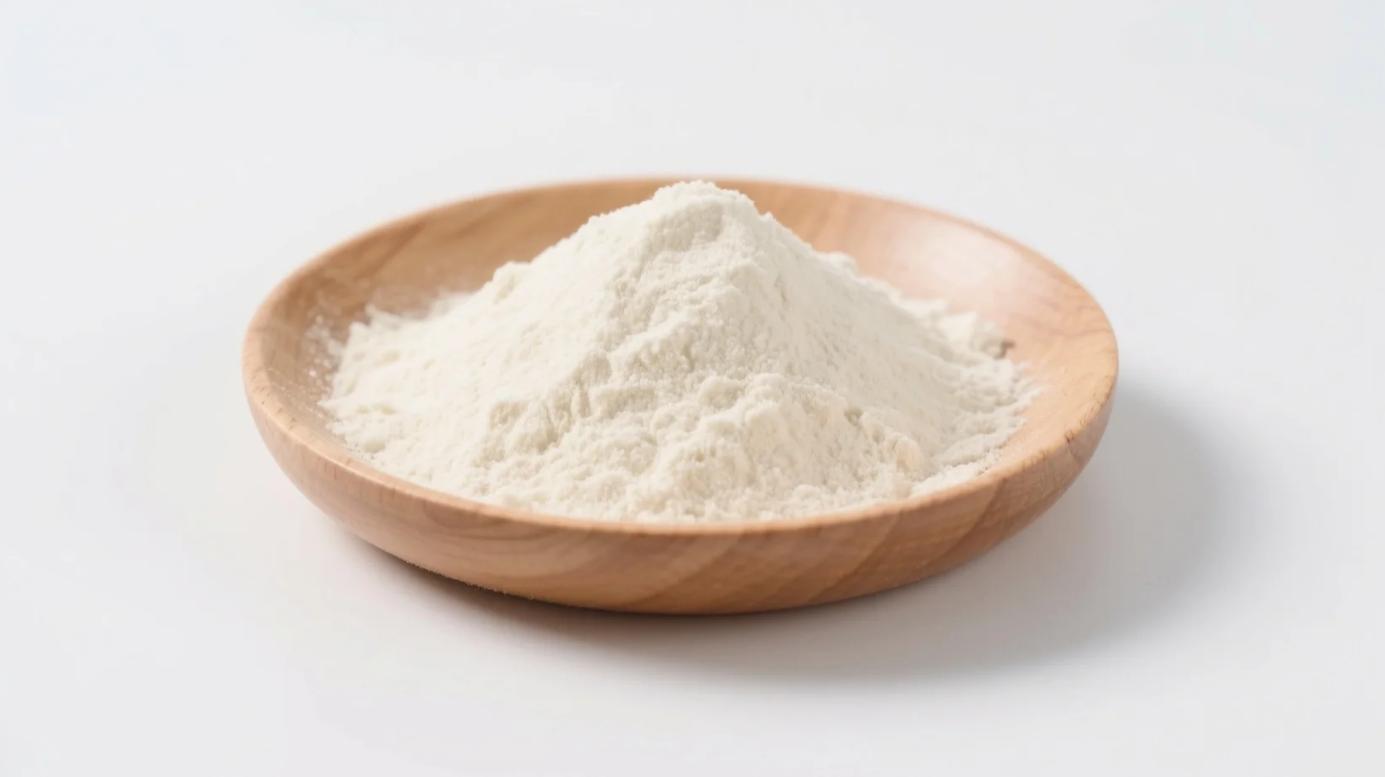
We offer certified organic resistant dextrin in two versatile formats:
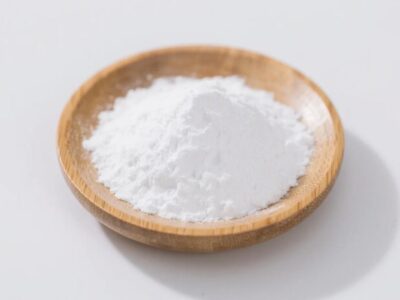
- Organic Resistant Dextrin Powder – free-flowing, low-moisture solid
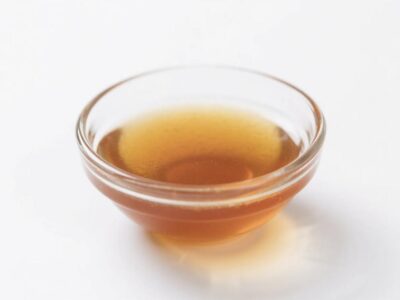
- Organic Resistant Dextrin Syrup – clear, low-viscosity liquid
Both are produced via enzymatic roasting (pyrodextrinization) of organic corn starch or organic tapioca starch, followed by purification—without chemical modification, sulfites, or synthetic additives. With ≥90% total dietary fiber (AOAC 2001.03), mild sweetness (~10–15% of sucrose), and excellent solubility, organic resistant dextrin serves as a clean-label prebiotic fiber, sugar replacer enhancer, and texture modifier.
Clinically shown to support gut health, low glycemic impact, and satiety, resistant dextrin is a stable and versatile soluble fiber.
What Is Organic Resistant Dextrin?
Resistant dextrin is a low-molecular-weight, highly branched soluble fiber created by controlled thermal and enzymatic treatment of starch. The process introduces α-(1→2) and α-(1→3) glycosidic bonds that resist human digestive enzymes but are fermented slowly in the colon—making it a Type 4 resistant starch (RS4) with prebiotic properties.
Our organic resistant dextrin contains minimal residual sugars (< 3%) and is virtually colorless and odorless, ensuring seamless integration into sensitive formulations.
Also Known As: Names and Synonyms in the Trade
Resistant dextrin is sold and searched under a number of different names, depending on the market, the starch source and the labeling convention in use. The list below covers the forms you are most likely to see on a specification sheet, a purchase order or a customs document.
- Resistant maltodextrin – used when the DE value and the hydrolysis route are emphasised
- Indigestible dextrin – the established Japanese designation for the same material
- Soluble corn fiber – the common US labeling name when the starch source is corn
- Soluble tapioca fiber – the equivalent US labeling name when the starch source is tapioca
- Corn fiber / Tapioca fiber – short forms frequently used on ingredient decks
- Soluble dietary fiber – the functional claim name on finished-product labels
- Pyrodextrin – the process name, referring to enzymatic roasting rather than chemical modification
- Resistant starch type 4 (RS4) – the nutritional classification
- Prebiotic fiber – the claim name used in supplement and functional-food marketing
The material supplied under these names is the same product class: a low-molecular-weight, highly branched glucose polymer with ≥90% total dietary fiber. What changes between names is the starch source, the DE range and the regulatory framework the label has to satisfy — not the chemistry. When you compare quotations from different suppliers, ask for the fiber assay method (AOAC 2001.03 versus AOAC 2011.25) and the DE value, because those two numbers drive both the labeling claim and the price.
Technical Specifications
| Parameter | Organic Resistant Dextrin Powder | Organic Resistant Dextrin Syrup |
|---|---|---|
| Starch Source | Organic corn OR organic tapioca | Same |
| Appearance & Physical Form | Fine white to off-white free-flowing powder | Clear, pale yellow low-viscosity syrup |
| Odor & Taste | Neutral; no aftertaste | Same |
| Total Dietary Fiber (AOAC 2001.03) | ≥90% (dry basis) | ≥70% (as-is basis) / ≥90% (dry solids) |
| Solids (Dry Matter) | ≥98% | 75–77% |
| Moisture Content | ≤2% | 23–25% |
| Sweetness (vs. Sucrose) | ~10–15% | ~10–15% |
| DE Value | 10–15 | 10–15 |
| Viscosity (25°C) | N/A | 50–150 cP (very low, easy to pump) |
| pH (10% solution) | 4.0 – 6.0 | 4.0 – 6.0 |
| Residual Sugars (Glucose + Maltose) | ≤3.0% | ≤3.0% |
| Ash Content | ≤0.5% | ≤0.5% |
| Heavy Metals | Pb ≤0.1 mg/kg; As ≤0.1 mg/kg; Cd ≤0.05 mg/kg; Hg ≤0.01 mg/kg | Same |
| Microbiological Criteria | TPC ≤1,000 CFU/g; Yeast/Mold ≤100 CFU/g; E. coli, Salmonella, Listeria: Absent | Same |
| Allergen Status | Gluten-Free (<5 ppm), Soy-Free, Dairy-Free, Nut-Free | Same |
| Certifications | USDA Organic, EU Organic, Non-GMO Project Verified, Kosher, Halal (available), Vegan Certified | Same |
Analytical methods: AOAC 2001.03 for total dietary fiber; HPLC for sugar profile. Complies with FDA GRAS (GRN No. 77), EU Novel Food regulations (for corn/tapioca dextrins), and Codex Stan 290.
Sourcing, Certification and Regulatory Status
Source Options: Available from organic non-GMO corn (ideal for North American markets) or organic tapioca (gluten-free, allergen-friendly, ideal for EU/Asia).
| Jurisdiction / Standard | Regulatory status | Legal name | Notes |
|---|---|---|---|
| United States | FDA GRAS (GRN No. 77) | Resistant dextrin, soluble corn fiber | Dietary fiber declaration supported by AOAC 2001.03; permitted in conventional foods and supplements |
| European Union | Authorised under the Novel Food Regulation | Resistant dextrin, soluble dietary fibre | Organic certification to (EU) 2018/848; fiber claim available at ≥3 g per 100 g |
| Japan | Established ingredient for specified health uses | Indigestible dextrin | Long-standing commercial use; low-viscosity grades preferred for clear beverages |
| Codex Alimentarius | Codex Stan 290 compliant | Resistant dextrin | Supports multi-market labeling from a single specification |
Origin documentation is issued per batch and names the starch source, so the same shipment can be declared as soluble corn fiber in the United States and as resistant dextrin in the European Union without a specification change.
Applications by Format
Organic Resistant Dextrin Powder
Use the powder where the finished product has to stay free-flowing: bars, tablets, capsules, dry mixes, powdered beverage bases and bakery premixes. A 25 kg bag handles and mixes on the same lines already used for maltodextrin, with no new tooling required.
- Dietary Supplements: Capsules, tablets, sachets for gut health
- Meal Replacement Powders: Adds fiber without texture issues
- Protein & Energy Bars: Binds ingredients, reduces sugar content
- Baking: Replaces part of flour/sugar while boosting fiber claims
Organic Resistant Dextrin Syrup
Use the syrup where the formulation is already liquid: RTD beverages, dairy alternatives, gummies, sauces and dressings. At 75–77% solids the syrup is pumpable at ambient temperature and adds fiber without the dissolution step a powder would need.
- Functional Beverages: Smoothies, juices, RTD teas, kombucha
- Yogurt & Plant-Based Dairy: Prebiotic boost without viscosity change
- Gummies & Soft Chews: Humectant and fiber carrier
- Sauces & Dressings: Clean-label thickener with fiber claim
Format and Grade Selection
| Application | Recommended format | Typical use level | Formulation note |
|---|---|---|---|
| Protein and energy bars | Powder | 3–8 g per bar | Binds the mass and cuts sugar without a gritty mouthfeel |
| Tablets and capsules | Powder | 250–600 mg per dose | Compressible at low moisture; no coating change needed |
| Ready-to-drink beverages | Syrup | 2–6 g per 100 mL | Fully soluble; does not raise viscosity noticeably |
| Gummies and soft chews | Syrup | 5–15% of the syrup weight | Acts as a humectant and carries the fiber claim |
| Plant-based yogurt and drinks | Syrup or powder | 1.5–4 g per 100 g | Supports the prebiotic claim without acid instability |
| Sauces, dressings and soups | Syrup | 2–5% of the recipe | Stable through pasteurisation and low-pH holding |
| Bakery and biscuit fillings | Powder | 3–10% of the flour weight | Non-browning under oven conditions; no color drift |
Two rules cover most projects. First, choose the format the process can absorb: if the line already mixes dry ingredients, take the powder; if it meters liquids, take the syrup. Second, agree the fiber assay and the DE range with your regulatory contact before the first order, because they determine the label claim and, in some markets, the tariff line.
Why Choose Our Organic Resistant Dextrin?
We partner with certified organic starch producers and use GMP-compliant enzymatic processing to ensure consistent DE, purity, and fiber content. Unlike caramelized or chemically modified dextrins, our product is non-browning, low-color, and suitable for “no added sugar” and “high fiber” labeling.
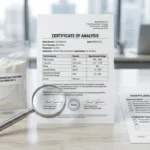
Every batch includes full documentation: Certificate of Analysis (CoA), Organic Certificate (specifying source), Dietary Fiber Report, Allergen Statement, and Safety Data Sheet (SDS).
Packing
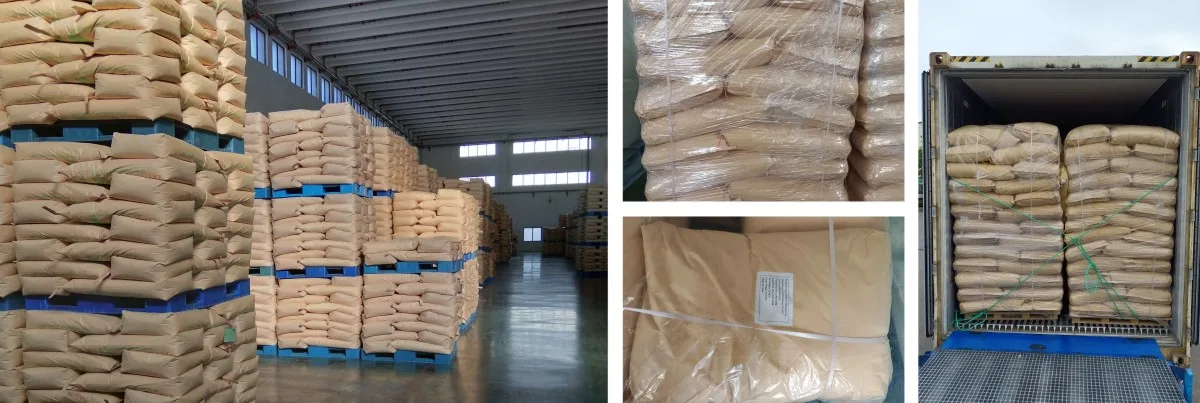
Available packaging:
- Powder: 10 kg or 25 kg multi-wall paper bags with PE liner
- Syrup: 25 kg HDPE pails, 200 kg drums, or 1,000 kg IBC totes
- Custom packaging and private labeling available
FAQs
Q: Is it suitable for low-glycemic diets?
A: It has a low GI, making it suitable for low-glycemic formulations; consumers with diabetes should consult their healthcare provider.
Q: Does it cause bloating?
A: Tolerated better than inulin/FOS. Start with ≤15g/day and increase gradually.
Q: Are these products non-GMO?
A: Yes! Certified USDA Organic and Non-GMO Project Verified.
Q: Where to buy organic resistant dextrin?
BIOSTARCH supplies USDA-certified organic resistant dextrin in powder and syrup formats. Request free samples today!