
Our certified organic mannooligosaccharides (MOS) are short-chain oligosaccharides composed primarily of mannose units, produced through controlled enzymatic hydrolysis of organic glucomannan sourced from konjac root (Amorphophallus konjac) or organic locust bean gum (carob). With ≥85% MOS content (dry basis), this soluble fiber acts as a non-digestible prebiotic that supports gut microbiota balance and exhibits unique anti-adhesion properties against harmful bacteria such as Salmonella and E. coli.
Unlike fermentable fibers like FOS or GOS, MOS works primarily in the upper GI tract by binding to lectin receptors on pathogenic microbes—preventing their colonization and promoting natural clearance. This dual mechanism makes organic MOS valuable in both human nutrition and premium animal feed applications.
What Is Organic MOS?
Mannooligosaccharides are derived from mannans—natural polysaccharides found in plant cell walls. Our organic MOS powder is manufactured using food-grade endo-β-mannanase enzymes under mild conditions, followed by ultrafiltration and spray-drying—without acid, alkali, solvents, or synthetic additives.
We offer two botanical sources to meet formulation and labeling needs:
- Konjac-based MOS: High purity, neutral taste, ideal for human supplements
- Locust Bean (Carob)-based MOS: Traditional source, widely accepted in pet nutrition
Both are certified organic, non-GMO, and free from common allergens.
Key Functional & Health Benefits
- Pathogen exclusion: Binds type-1 fimbriated bacteria via mannose-specific adhesion
- Prebiotic support: Indirectly promotes beneficial flora by reducing pathogen load
- Immune modulation: Enhances gut-associated lymphoid tissue (GALT) activity
- High stability: Resists heat, pH changes, and digestion—effective throughout GI tract
- Low fermentation: Minimal gas production vs. other prebiotics (reduced bloating risk)
- Non-caloric & non-glycemic: Suitable for diabetic, keto, and low-FODMAP diets
Note: MOS is not significantly fermented by colonic bacteria, making it distinct from traditional prebiotics like inulin—but highly complementary in synbiotic formulations.
Technical Specifications
| Parameter | Organic MOS Powder |
|---|---|
| Source Options | Organic konjac glucomannan OR organic locust bean gum |
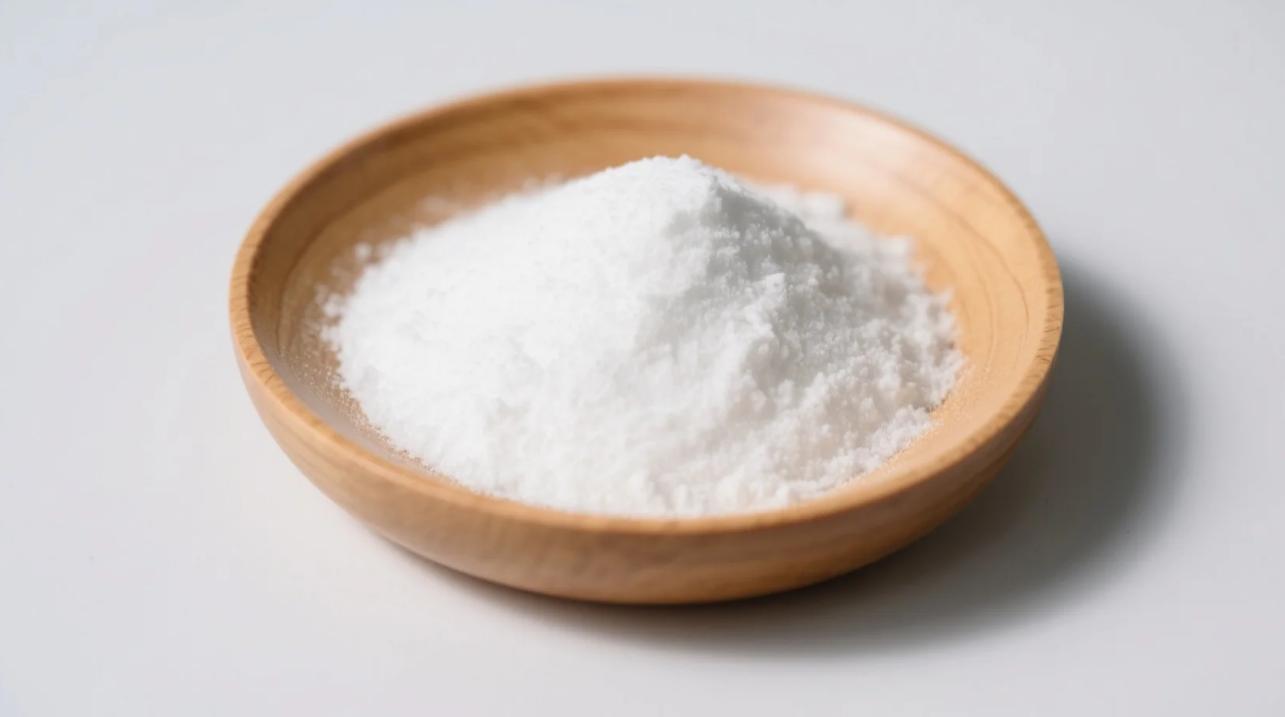
| Appearance | White to light beige free-flowing powder |
| Odor & Taste | Odorless; very mild, slightly earthy |
| Total Mannooligosaccharides (MOS) | ≥85% (dry basis, HPLC/HPAEC-PAD) |
| Degree of Polymerization (DP) | DP2–DP10 (mainly DP2–DP6) |
| Moisture Content | ≤6.0% |
| pH (5% solution) | 5.0 – 7.0 |
| Bulk Density | 0.45 – 0.65 g/mL |
| Solubility | >90% in warm water (≥50°C); forms clear to slightly hazy solution |
| Ash Content | ≤2.0% |
| Residual Protein | ≤1.0% |
| Shelf Life | 24 months (stored sealed in cool, dry place) |
| Heavy Metals (Maximum Limits) | |
| – Lead (Pb) | ≤0.5 mg/kg |
| – Arsenic (As) | ≤0.5 mg/kg |
| – Cadmium (Cd) | ≤0.1 mg/kg |
| – Mercury (Hg) | ≤0.03 mg/kg |
| Microbiological Criteria | |
| – Total Plate Count | ≤10,000 CFU/g |
| – Yeast & Mold | ≤100 CFU/g |
| – Escherichia coli | Absent in 1 g |
| – Salmonella spp. | Absent in 25 g |
| – Listeria monocytogenes | Absent in 25 g |
| Allergen Status | Gluten-Free (<5 ppm), Soy-Free, Dairy-Free, Nut-Free |
| Certifications | USDA Organic, EU Organic, Non-GMO Project Verified, Kosher, Halal (available), Vegan Certified |
Analytical methods: HPAEC-PAD or HPLC with RI/ELSD detection per ISO 22179. Complies with FDA GRAS principles, EU Feed Additive regulations (for animal use), and Codex guidelines for dietary fiber.
Applications
Human Nutrition
- Dietary Supplements: Standalone MOS or combined with probiotics (synbiotics) for gut-immune support
- Functional Foods: Added to bars, cereals, and beverages for “immune health” claims
- Medical Nutrition: Used in enteral formulas for patients with dysbiosis or infection risk
- Low-FODMAP Products: Well-tolerated alternative to high-fermentation fibers
Animal & Pet Nutrition
- Pet Food (dogs/cats): Enhances stool quality, reduces pathogens, supports immunity
- Livestock Feed: Natural alternative to antibiotics in poultry, swine, and aquaculture
- Equine & Ruminant Diets: Improves hindgut health without disrupting fermentation
Why Choose Our Organic MOS?
We partner with certified organic farms and GMP-compliant bioprocessing facilities to ensure traceability, purity, and efficacy. Our enzymatic process preserves the bioactive structure of MOS while eliminating residual polysaccharides that could affect solubility or functionality.
Every batch includes full documentation: Certificate of Analysis (CoA), Organic Certificate (specifying konjac or locust bean origin), Allergen Statement, Vegan Certification, and Safety Data Sheet (SDS).
Available packaging:
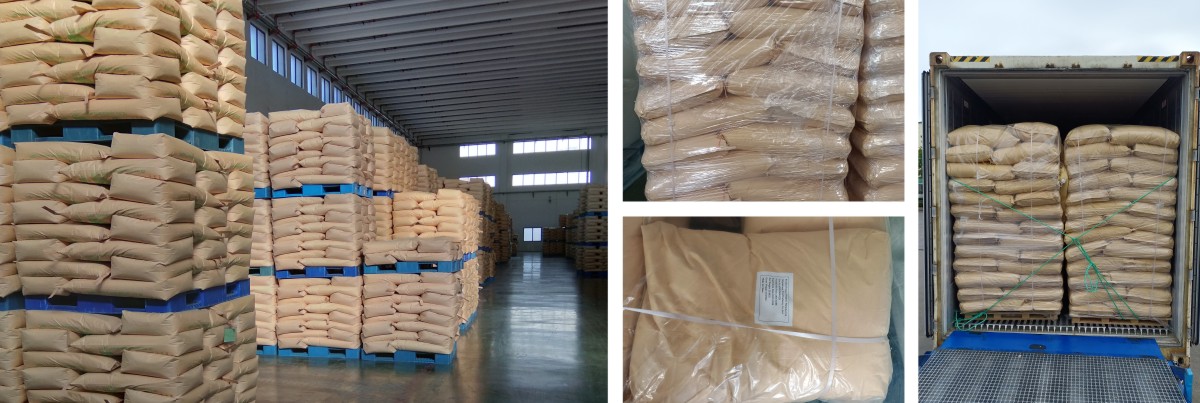
- 10 kg or 25 kg multi-wall paper bags with food-grade PE liner
- 500 kg–1,000 kg FIBCs for industrial users
- Custom packaging available upon request
FAQs
Q: How does Organic Mannooligosaccharides (MOS) differ from other prebiotics like FOS or GOS?
A: While FOS (Fructooligosaccharides) and GOS (Galactooligosaccharides) primarily act as fuel for beneficial bacteria, MOS has a unique dual mechanism. In addition to being a prebiotic, its specific molecular structure allows it to bind to certain harmful bacteria in the gut, aiding in their removal and contributing to a healthier gut environment. MOS also has a more direct impact on immune modulation.
Q: Is Organic MOS heat stable for various food processing methods?
A: Yes, Organic MOS is generally stable under typical food processing conditions, including heat. Its structure allows it to maintain its beneficial properties in a wide range of applications, from baking to beverage pasteurization.
Q: What’s the typical shelf life and recommended storage for bulk quantities?
A: Our Organic Mannooligosaccharides (MOS) typically has a shelf life of 24 months from the manufacturing date when stored in a cool, dry place (below 75°F / 24°C), away from direct sunlight and moisture, in its original sealed, airtight packaging.
Q: Is your Organic MOS derived from a gluten-containing source?
A: No, our Organic MOS is derived from the cell walls of organic Saccharomyces cerevisiae yeast, which is naturally gluten-free. This makes it an excellent choice for gluten-free product formulations.
Q: Can Organic MOS be combined with probiotics in formulations?
A: Absolutely. Organic MOS can be synergistically combined with probiotics to create synbiotic products. This combination provides both the beneficial bacteria (probiotics) and the selective fuel (prebiotic MOS) they need to thrive, leading to enhanced gut health benefits.
Packing
Related News
Searching for Next-Gen Gut Health Support? Have You Discovered Organic Mannooligosaccharides (MOS)?
In the rapidly evolving world of prebiotics and digestive wellness, a new star is emerging…
Read More